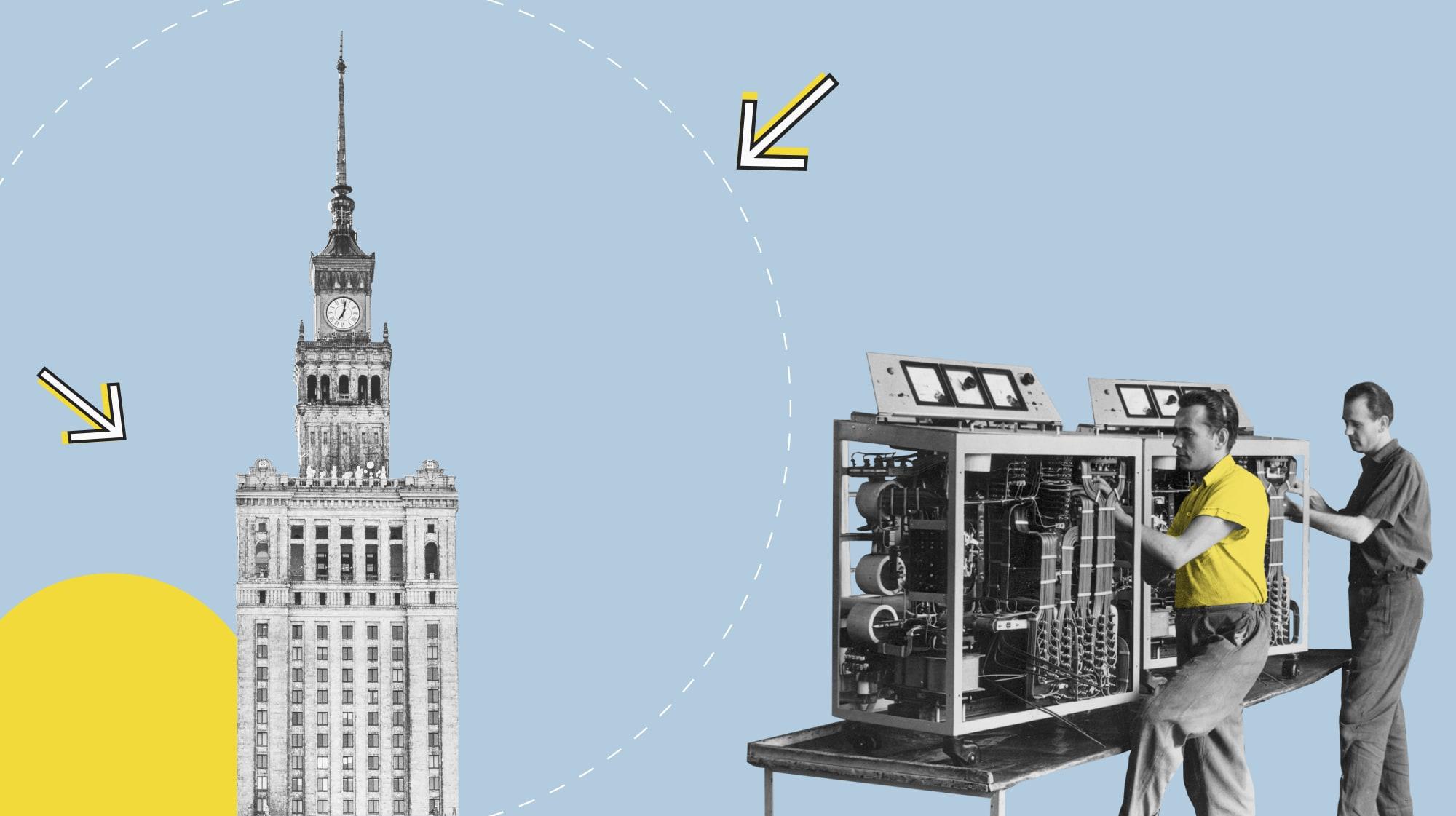
Norbert Baumann
VP R&D – Sonnen
"They treat the customer portal as their product and this resulted in the high quality of their work."
Agent-scanned codebase, human-approved fixes, one team accountable for every merge – from first assessment to debt that stays paid down.

See the companies that trusted Boldare to get it done.











Most technical debt doesn't shrink because nobody has time – it shrinks when assessment, cleanup, refactoring, and monitoring get handled by people and agents who specialize in each part. Here's how we cover the full scope, end to end.
Describe what's in your codebase, where the debt is hurting most, and how much risk you can take on. We'll come back with a concrete recommendation.

Every codebase carries debt differently – these are where we go deepest, but the agent-led workflow transfers to any stack we assess.






VP R&D – Sonnen
"They treat the customer portal as their product and this resulted in the high quality of their work."

Prisma
"They had a very short ramp-up time and were dedicated to delivering."

Director Digital Engineering – Maxeon Solar Technologies
"I feel that my opinions and observations matter and that the team will adjust their actions based on our feedback."

Chief Technology Officer – Novolyze
"We were impressed with their capacity to embrace an unknown domain and challenge the strong assumptions presented."

Chief Technology Officer – Musement TUI Group
Boldare delivers results that meet our standards and expectations."

Head of Engineering – BlaBlaCar
"Their customer-focused, Agile approach inspired us, and we discovered that we shared a similar mindset."

President - Team Alert
"I was really impressed with how much they cared about our product."
The engineering decisions behind AI-assisted debt reduction that actually holds up in production – governance, review gates, and what breaks when teams skip them.
One partner from idea to launch
Documented, structured, and handed off so your team can maintain and extend it without us. We build for independence, not dependency.
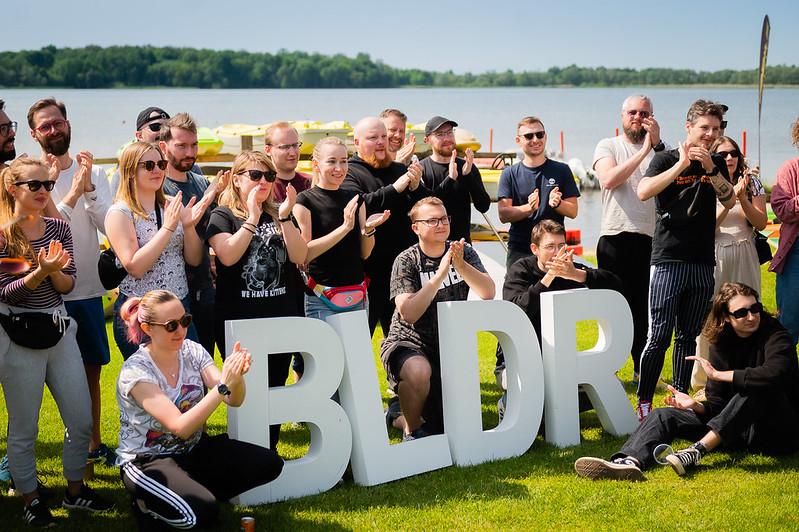
We eliminate the handoff gap. Designers and developers work in parallel, not in sequence. What you see in the design file is what ships in production.
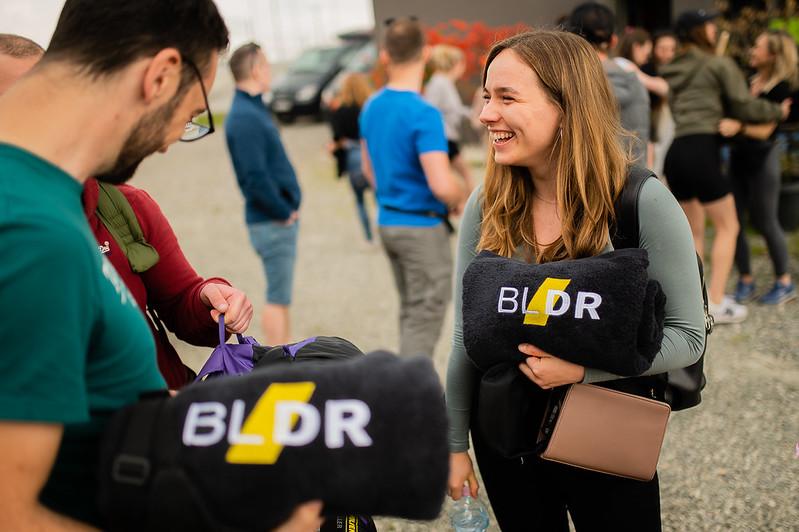
Built to work with your AI tools. We structure and document what we build so tools like Cursor, Claude Code, and Figma Make generate output that stays within your standards – not outside them.
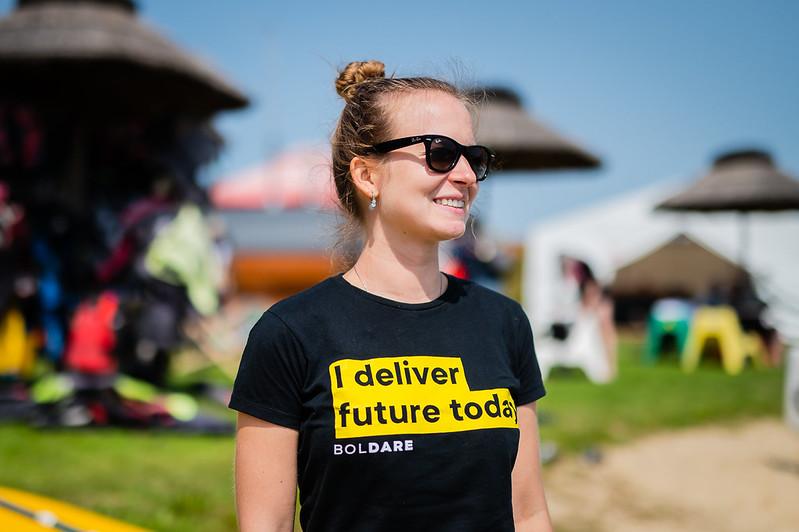
We work with the tools and frameworks your team already uses – or we adapt to them. What we build fits your team, not the other way around.
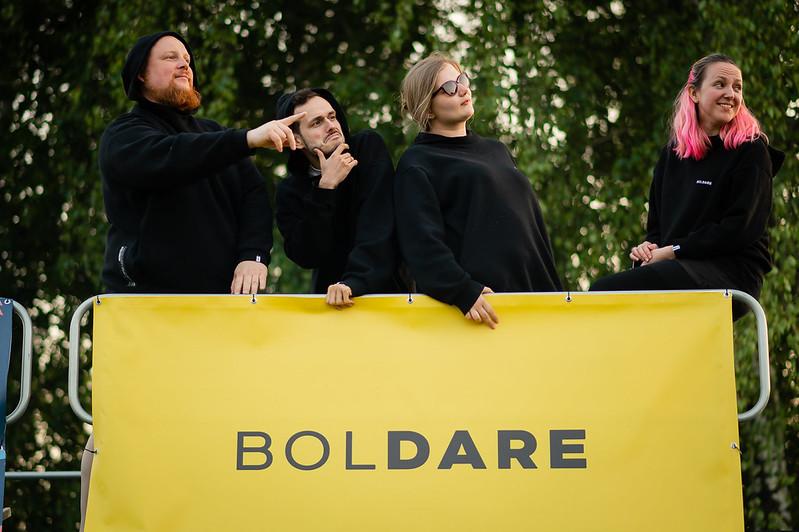
Every engagement starts with a clear scope and a fixed price. You know what you're getting before anything begins.

Designers, developers, and AI tools all work from the same source. No parallel versions. No guessing which one is current.

Nothing we deliver drifts without ownership. Every build includes a clear model for who decides on changes, how they're requested, and how things evolve as your product grows.

Every product we've built required decisions about what to standardise and what to keep flexible. That experience shapes everything we deliver.

A practical guide to reducing technical debt with AI agents – covering agentic AI implementation, legacy code modernization, and the governance decisions that determine whether debt reduction holds up or has to be redone.
Static analysis flags issues; it doesn't fix them. AI agents propose and implement the actual refactor – your team reviews the diff, not just the warning.
No – paydown runs in parallel, module by module, with your team spending review time, not implementation time.
Through the debt map's scoring – dependencies, duplication, complexity, and coverage gaps — re-scored after each paydown phase.
Yes, if agent output ships without review – this is the most common failure mode in 2026. Every agent-proposed change here goes through a human approval gate before merge specifically to prevent it.
Outdated dependencies, dead code, duplicated logic, missing tests, and undocumented modules are strong fits. Deep architectural decisions still need human-led design work.
Yes. Agents operating without documented conventions – naming, error handling, architectural boundaries – tend to generate code that compiles but violates decisions that become expensive to undo later. We codify this context (in a CLAUDE.md-style file) so agents work within your architecture instead of around it.
Core domain logic, security-critical components, and anything touching inter-service contracts require senior engineer sign-off regardless of AI involvement – these categories are defined explicitly before any agent-assisted work starts, not decided case by case.
Credentials, PII, and security-critical modules are excluded from agent access before work begins – this governance is defined upfront, not handled reactively after something's already been exposed.
No – it reallocates their time. Senior engineers set the architectural standards agents operate within and review the changes where judgment matters (domain logic, security, cross-service impact); they spend less time on scaffolding and routine refactoring, not less time on decisions.




© 2026 Boldare. All rights reserved.
Boldare S.A. z siedzibą w Gliwicach, przy ul. Zwycięstwa 52, zarejestrowana w Sądzie Rejonowym w Gliwicach, X Wydział Gospodarczy Krajowego Rejestru Sądowego pod nr KRS 0000914518, NIP 6312698829, REGON 38958555. Wysokość kapitału zakładowego i wpłaconego 100 000,00 zł.